
Introduction
Dog food toppers are enhancements added to your dog’s regular diet to improve the taste, texture, or nutritional value of their meals. These toppers, which can come in various forms such as wet, dry, or freeze-dried, provide an extra layer of flavor and appeal to your dog’s bowl. They are especially useful for pets who are picky eaters, those with specific dietary needs, or dogs who could use a little extra nutrition. Whether you’re new to the world of dog food toppers or you’re considering adding them to your dog’s daily routine, it’s essential to understand the different types and benefits before making any changes to your dog’s diet.

Understanding Dog Food Toppers
A dog food topper is essentially a supplementary addition to your dog’s meal. Typically, a small amount of the topper is mixed in with the regular food to make the meal more appealing. These toppers may be rich in proteins, vitamins, and minerals, providing an extra boost to your dog’s diet. They are particularly popular among pet owners looking to introduce variety into their pet’s meals or address specific dietary needs.
Moreover, dog food toppers can be immensely beneficial for senior dogs who might have a reduced appetite or dogs who need additional support for their coat and skin health. The goal is to ensure your dog enjoys their meal while also gaining extra nutritional benefits. Next, let’s delve into the various types of dog food toppers available.
Types of Dog Food Toppers
When it comes to dog food toppers, options abound. Here’s a look at the most common types:
- Wet Toppers: These are moist and often come in cans or pouches. They might include ingredients like shredded meat, vegetables, grains, and gravies. Wet toppers are great for adding flavor and moisture to dry kibble.
- Dry Toppers: These include items like freeze-dried meats, dehydrated vegetables, and kibble mixers. Dry toppers can add a crunchy texture to your dog’s meal, which some pets really enjoy.
- Fresh or Raw Toppers: These toppers include fresh fruits, vegetables, and raw meats. Fresh toppers are ideal for providing natural nutrients without preservatives, but they require proper storage and handling to ensure freshness and safety.
- Nutrient Boosters: These are usually powdered or liquid supplements that can be sprinkled or poured over your dog’s food. They are rich in specific nutrients like Omega-3s, probiotics, and vitamins, catering to health needs such as joint support, digestive health, and coat condition.
- Homemade Toppers: If you prefer to avoid commercial products, you can make your own toppers using ingredients like cooked chicken, bone broth, and steamed vegetables.
Understanding these types can help you tailor your dog’s diet effectively. Now, let’s explore how these toppers benefit your dog.
Benefits of Using Dog Food Toppers
Dog food toppers offer numerous benefits, here are some key advantages:
- Enhanced Flavor and Variety: Toppers make meals more appealing, especially for picky eaters. The variety in taste and texture can stimulate their appetite and ensure they look forward to their meals.
- Increased Nutritional Intake: Many dog food toppers are designed to deliver additional nutrients. For example, toppers can enhance protein content, include Omega-3 fatty acids for improved coat health, or add vitamins and minerals that might be missing from regular kibble.
- Better Digestibility: Adding moisture-rich toppers to dry food can make the overall diet easier to digest, especially for older dogs or dogs with dental issues. It can help in preventing constipation and promoting better gastrointestinal health.
- Improved Hydration: Since many toppers are moisture-rich, they can help in keeping your dog hydrated. Wet toppers can especially benefit dogs who don’t drink much water.
- Targeted Health Benefits: Specific toppers can cater to particular health needs like joint health, weight management, or improved digestion. For instance, a topper with glucosamine can support joint health in aging dogs.
By integrating dog food toppers, you’re not just making your dog’s food more interesting but also boosting its nutritional quality. Now, let’s look at how to choose the right topper for your pet.
How to Choose the Right Dog Food Topper
Choosing the right dog food topper depends on various factors:
- Understand Your Dog’s Needs: Assess your dog’s health requirements. Whether they need improved nutrition, are picky eaters, or have a specific health condition, understanding these needs will help in selecting an appropriate topper.
- Check Ingredients: Always read the ingredient list. Avoid toppers with artificial preservatives, colors, or flavors. Look for natural, whole ingredients that provide genuine nutritional benefits.
- Allergies and Sensitivities: If your dog has known allergies, ensure the topper is free from those allergens. Opt for hypoallergenic toppers if necessary.
- Texture and Type: Consider your dog’s texture preference (wet vs. dry) and type (meat, vegetable-based, or supplemental nutrients). Experimenting can help you figure out what your dog enjoys the most.
- Brand Reputation: Choose toppers from well-reputed brands known for their quality and safety standards. Product reviews and recommendations from other dog owners can be very helpful.
By accurately aligning the topper type with your furry friend’s preferences and health needs, you can make meals both enjoyable and beneficial. Let’s see how to introduce dog food toppers to your dog’s diet without any fuss.
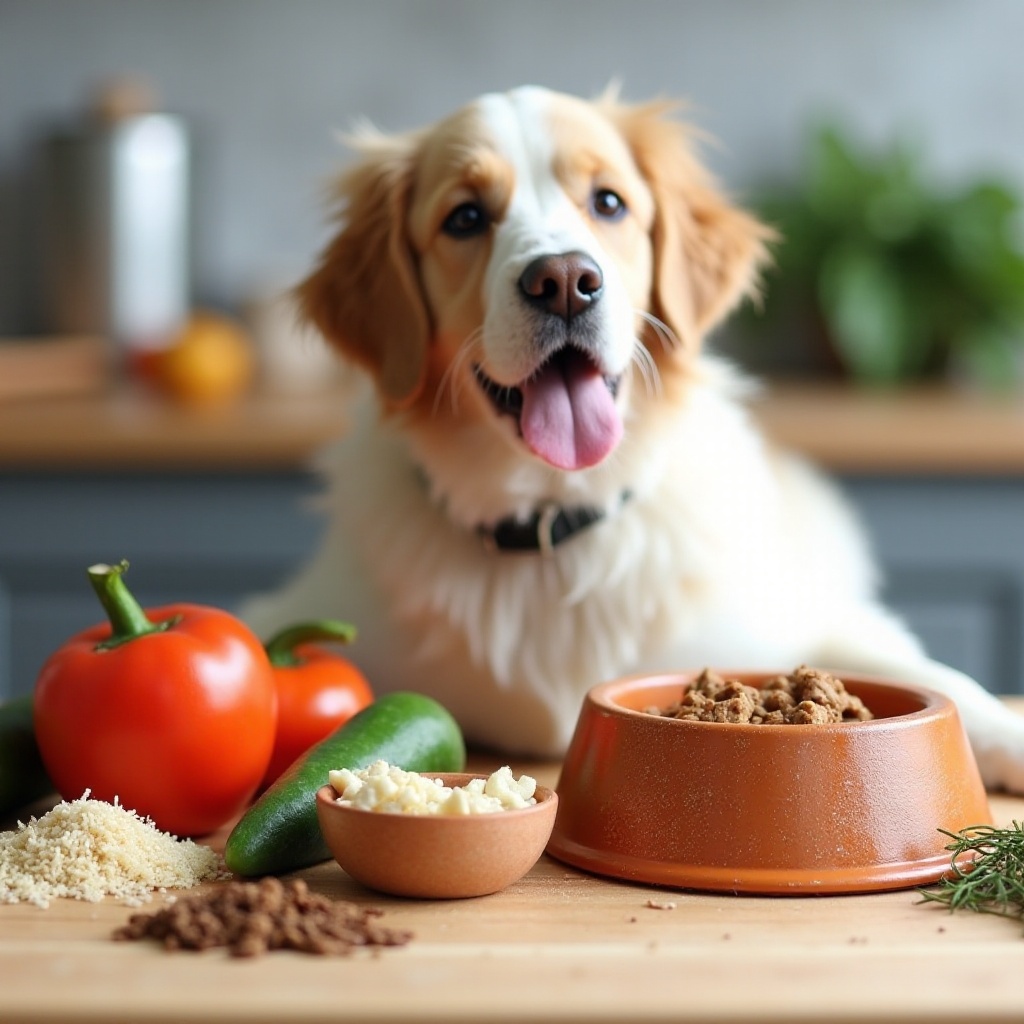
How to Introduce Dog Food Toppers
Transitioning to dog food toppers should be done gradually:
- Start Small: Begin with a small amount of the topper mixed into your dog’s normal food. This will help gauge how your dog reacts to the new addition.
- Monitor Response: Keep an eye on your dog’s reactions, including their enthusiasm for the food and any signs of digestive distress. This includes changes in stool consistency, gas, or any signs of food allergy.
- Gradual Increase: If your dog accepts the topper well, gradually increase the amount to recommended levels. Slow introduction will help their digestive systems adjust properly.
- Consistency: Maintain a consistent feeding schedule adjusting the topper quantities as needed. Consistency will help in establishing a routine for your dog.
- Mix It Up: Once your dog is accustomed to toppers, don’t shy away from switching things up occasionally to keep meals exciting.
Properly introducing dog food toppers ensures a smooth transition and maximizes their benefits. In summary, dog food toppers can be a simple yet effective way to enhance your dog’s overall diet.
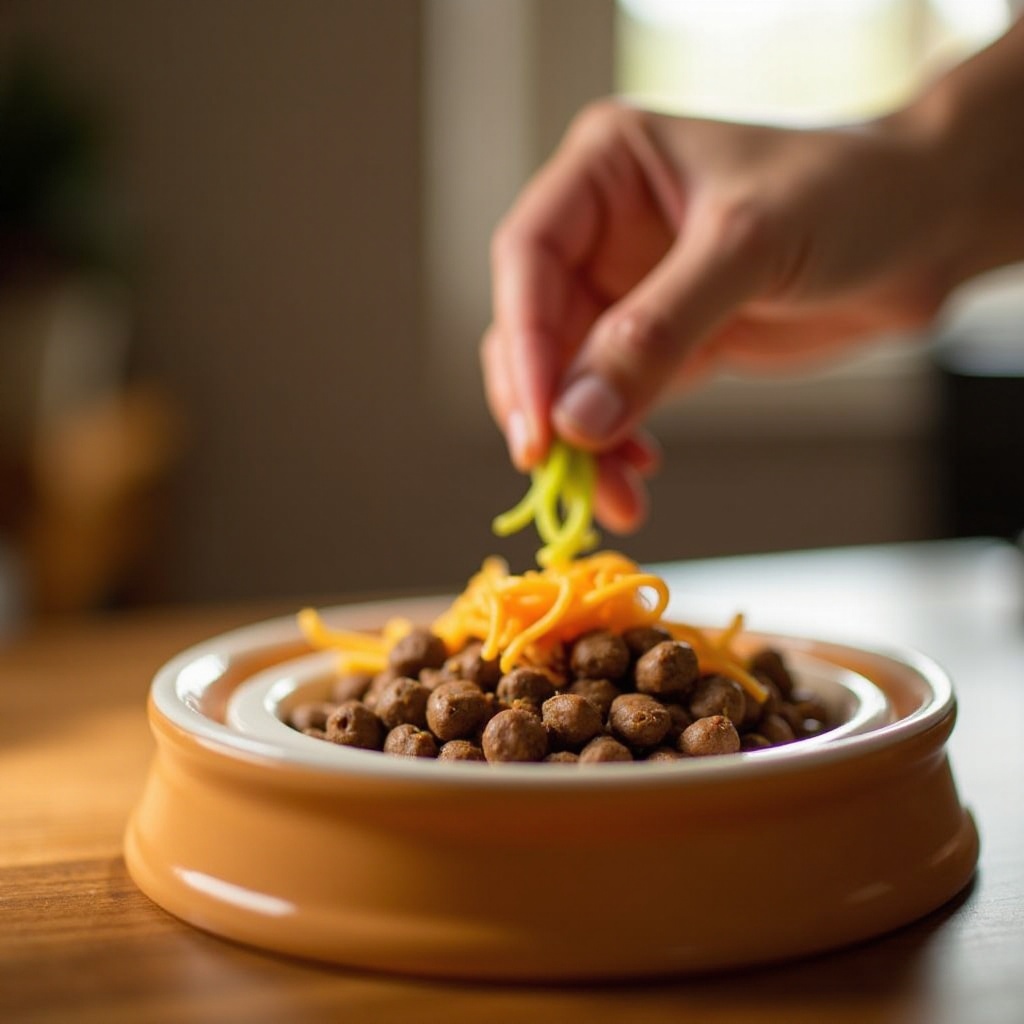
Conclusion
Integrating dog food toppers into your pet’s diet can offer significant benefits, from making meals more appealing to providing additional nutritional support. Understanding the different types of toppers and how they can benefit your dog is crucial in making the best decision for your pet’s health. By following the guidelines on choosing and introducing dog food toppers, you can ensure a positive and healthy addition to your dog’s daily routine. With the right topper, you can address specific dietary needs while keeping mealtime exciting for your furry friend. Considering the vast options available, there is undoubtedly a suitable topper for every dog to help them thrive.
Frequently Asked Questions
What are the main ingredients in dog food toppers?
Dog food toppers can include a variety of ingredients such as meats, vegetables, fruits, grains, and specific nutrient supplements. Always opt for natural ingredients without artificial additives.
Can dog food toppers help with picky eaters?
Yes, dog food toppers can enhance the flavor and texture of meals, making them more appealing to picky eaters, thereby encouraging them to eat their regular food.
Is it safe to use dog food toppers every day?
Generally, it is safe to use dog food toppers daily, provided they are nutritionally balanced and used in appropriate amounts to complement the dog’s main diet. Always consult with your vet for personalized advice.