
Introduction
Apple enthusiasts frequently ask why the Apple Pencil, known for its precision, does not extend its compatibility to iPhones. Despite the high demand, this accessory remains exclusive to iPads. Understanding the rationale requires examining technical limitations and strategic business decisions, revealing not just Apple’s motives but also offering potential solutions for iPhone users.
Understanding the Apple Pencil and Its Functions
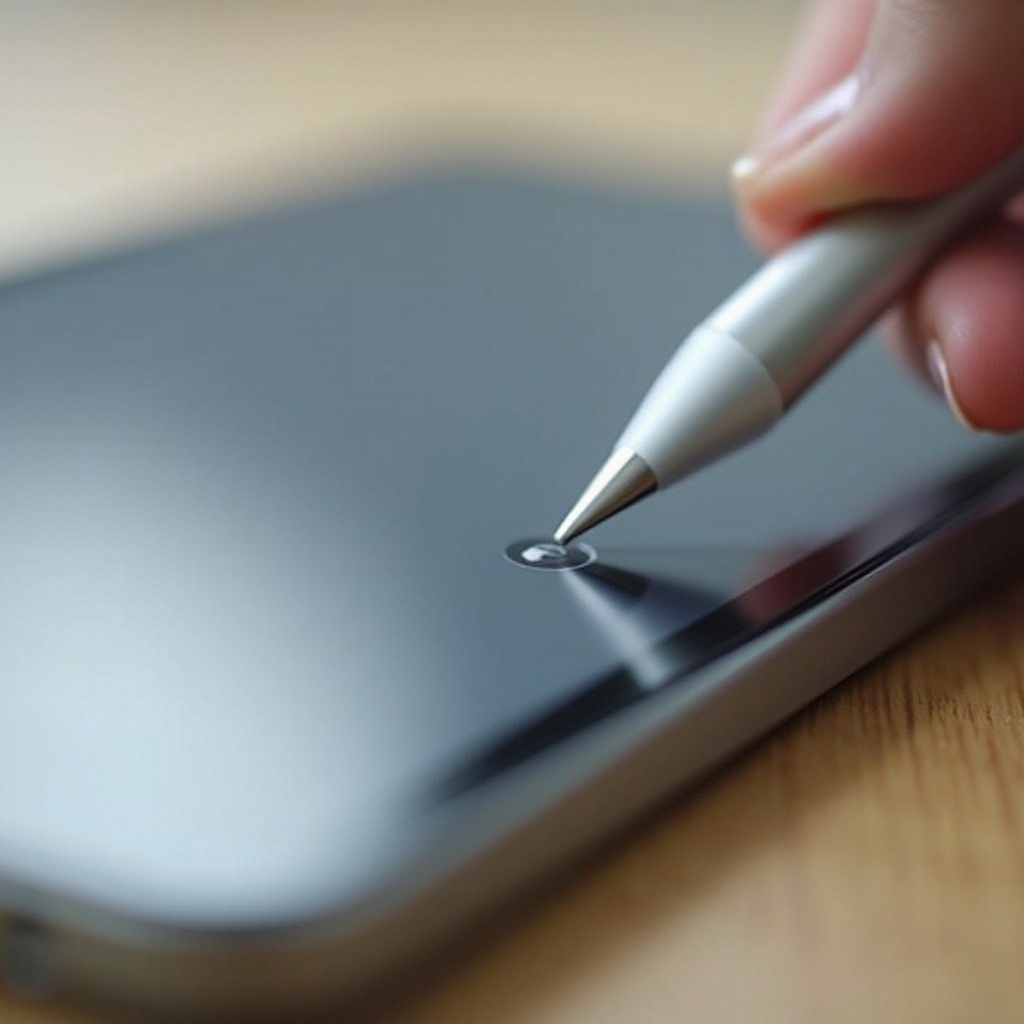
The Apple Pencil, designed specifically for iPad models, offers precision, pressure sensitivity, and low latency that cater to artists, designers, and note-takers. Its seamless integration with iPads enhances productivity. However, this raises the question of why such functionality hasn’t been extended to iPhones.
Apple focuses on optimizing the Apple Pencil for iPads due to specific technical features supporting its operations. Understanding these highlights the absence of fundamental technical requirements in iPhones.
Technical Reasons for Incompatibility with iPhone
The core technical reason for the Apple Pencil’s incompatibility with iPhones stems primarily from differences in screen technology. iPads employ enhanced touch sensor technology specifically designed to work with the Apple Pencil. This technology enables high-fidelity pressure sensitivity and low response times, crucial for professional-level tasks.
iPhones, however, utilize capacitive touchscreen technology, optimized for finger inputs rather than stylus precision. Their hardware and software lack the capability to meet the fine-tuned sensitivity the Apple Pencil requires. Enabling such functionality on iPhones could necessitate significant upgrades, increasing cost and altering the product’s design—a move not aligned with Apple’s current product strategy.
These technical constraints dovetail with Apple’s strategic decision-making on product lines.
Apple’s Strategic Product Differentiation
Apple’s decision to confine the Apple Pencil to the iPad lineup aligns with its overarching strategy of product differentiation. By segmenting products, Apple ensures each device fulfills a distinct purpose while maintaining cohesiveness within its ecosystem. This exclusivity enhances the iPad’s appeal in creative and professional fields.
From a marketing perspective, Apple manages consumer expectations by positioning each product to address specific needs. Blurring these product lines might reduce iPad sales, as the distinct features could overlap and lose their unique appeal. Apple’s approach to segmentation thus supports a well-balanced product portfolio with distinct features appealing to diverse consumer demographics.
Consumer demand trends interplay with Apple’s strategic alignments, shaping their decisions.
Consumer Demand and Market Analysis
The desire for Apple Pencil compatibility with iPhones reflects a broader trend of users seeking maximum creativity and productivity within the Apple ecosystem. This demand is visible in discussions and user requests.
Market trends show a growing interest in devices supporting versatile applications. However, Apple evaluates these against its strategic objectives, ensuring products remain within established boundaries without overlap. This analysis clarifies Apple’s position on maintaining distinct compatibility for its devices.
Nevertheless, iPhone users are not devoid of stylus functionality options, thanks to viable alternatives.
Alternatives and Solutions for iPhone Users
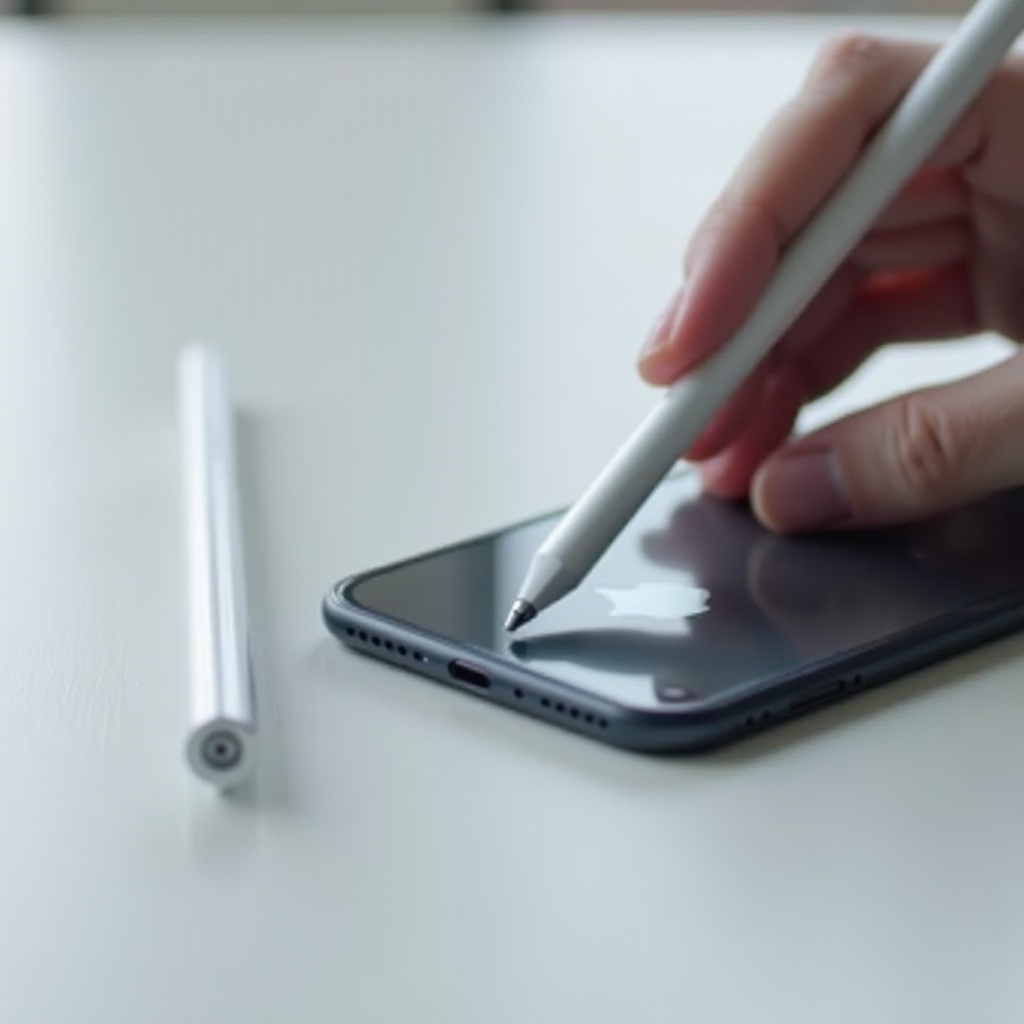
For iPhone users seeking stylus input, there are several satisfactory alternatives. Here are some to consider:
-
Third-Party Styli: Numerous brands like Adonit and Wacom offer stylus models compatible with iPhones that provide reasonable precision and responsiveness.
-
Applications for Productivity: Various apps enhance stylus functionality by improving handwriting recognition and response, such as GoodNotes and Notability.
-
Screen Protectors with Writing Texture: Special screen protectors can provide a texture that enhances writing and drawing experiences on iPhones.
These options allow iPhone users to simulate the Apple Pencil’s functionality, bridging the gap until further technological advancements occur.
Conclusion
Deciphering why the Apple Pencil doesn’t function on iPhones involves examining technical, strategic, and market-driven factors. While technical limitations restrict compatibility, strategic decisions ensure product differentiation, vital for Apple’s vision.
Despite these constraints, alternatives offer viable solutions for iPhone users. As technology advances, possibilities for more integrated functionalities may develop, altering compatibility landscapes in future Apple product lines.
Frequently Asked Questions
Will Apple ever make an Apple Pencil for the iPhone?
While there’s no confirmation, Apple evaluates market trends, which may lead to future developments depending on demand.
What are the best stylus alternatives for the iPhone?
Brands like Adonit and Wacom offer quality styluses that work well with iPhones, providing a comparable experience.
Can software updates make Apple Pencil compatible with iPhones in the future?
Software updates alone may not suffice due to hardware differences, but future innovations might bridge this gap.